The global 3D digital advertising landscape is undergoing transformative growth, driven by advancements in immersive technologies and shifting consumer expectations. According to Grand View Research, the 3D digital advertising market was valued at $23.8 billion in 2023 and is projected to expand at a compound annual growth rate (CAGR) of 17.2% from 2024 to 2030. This surge reflects the rising demand for hyper-realistic, interactive ad experiences across industries such as retail, automotive, and entertainment.
Market Expansion and Technological Innovations in 3D Digital Advertising
The rapid adoption of augmented reality (AR), virtual reality (VR), and real-time rendering tools has redefined 3D digital advertising capabilities. Brands now leverage these technologies to create dynamic campaigns that transcend traditional 2D formats.
1. GPU Advancements and Real-Time Rendering
Modern GPUs enable real-time 3D rendering at 4K resolution, reducing production timelines by up to 40%. This technological leap allows advertisers to iterate campaigns swiftly, aligning with fast-paced market trends. For instance, automotive companies like BMW use 3D digital advertising to showcase customizable car models in VR showrooms, achieving a 32% increase in customer engagement compared to static ads.
2. Consumer Demand for Interactive Experiences
A 2023 Nielsen report revealed that 68% of consumers prefer ads offering interactive elements. 3D digital advertising addresses this by enabling touchless interfaces in AR apps or 360-degree product views. Retail giant IKEA reported a 45% boost in online sales after integrating 3D room-planning tools into its ads.
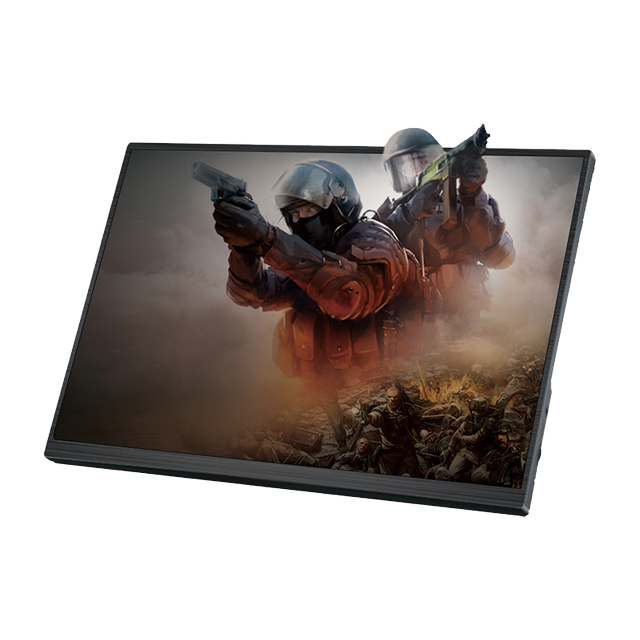
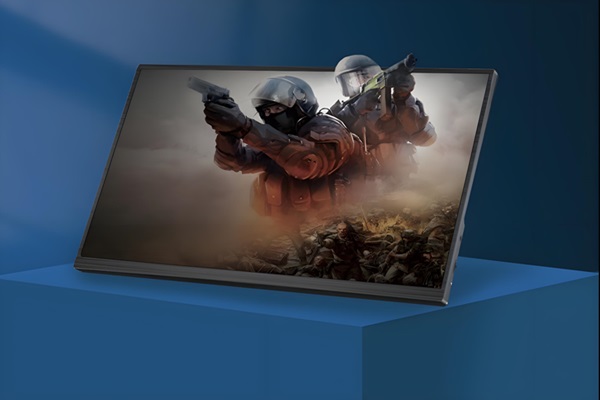
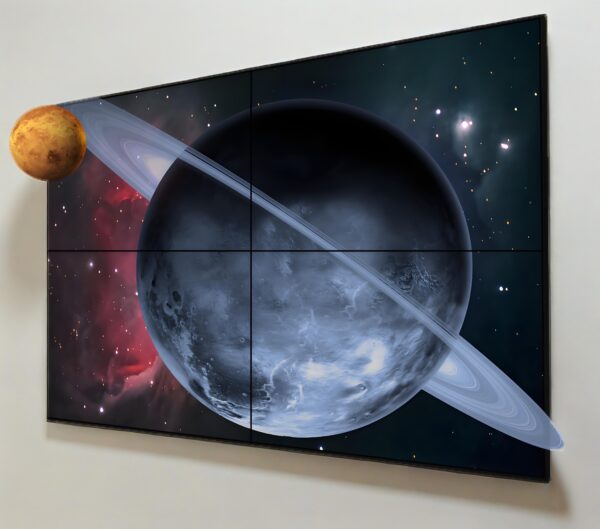
Choose E3D METAVERSE Glasses-Free 3D Advertising Video Wall Now
Features:
- Ultra-narrow bezel design: Achieve seamless edge-to-edge visual display, perfectly matching uninterrupted 3D viewing experience.
- Raster automatic calibration technology: Automatically adjusts pixel alignment to ensure full-screen clear image quality.
- Edge fusion solution: Make the transition between each panel of the video wall natural and smooth, eliminate seams, and present a unified, high-quality visual enjoyment.
- Software-driven video wall splicing system: With intuitive software, it is easy to adapt to a variety of media sources, and managing and configuring multi-screen content becomes simple and fast.
- Customizable layout options: Freely set the display layout according to space requirements, opening up unlimited creative space for creative installation solutions.
Industry-Specific Applications of 3D Digital Advertising
Sector-specific adoption highlights the versatility of 3D digital advertising, with measurable ROI driving investment.
1. Retail: Virtual Try-Ons and Personalized Shopping
Fashion brands like Gucci and Nike utilize AR-powered 3D digital advertising for virtual try-ons, reducing return rates by 22% while increasing conversion rates by 27%. These campaigns also collect user data to refine personalized recommendations, enhancing long-term customer loyalty.
2. Automotive: Immersive Configurators
Companies such as Tesla embed 3D configurators in ads, allowing users to customize vehicles in real time. This strategy has shortened the buyer journey by 15%, as per McKinsey’s analysis, by providing instant visual feedback.
3. Entertainment: Gamified Ad Campaigns
Film studios partner with platforms like Snapchat to launch 3D game-style ads for movie promotions. The Universal Jurassic World campaign achieved a 50% higher click-through rate than industry averages, demonstrating the appeal of gamified 3D digital advertising.
Challenges and Future Prospects
Despite its potential, 3D digital advertising faces hurdles like high production costs and device fragmentation. Creating a single 3D ad asset costs 20–30% more than 2D equivalents, limiting smaller brands. However, cloud-based rendering solutions and AI-driven automation are lowering barriers.
Conclusion
The 3D digital advertising market is poised for exponential growth, fueled by technological synergy and consumer demand for immersion. As AR/VR hardware penetration rises—forecasted to hit 1.7 billion users by 2030—brands prioritizing 3D innovation will dominate engagement metrics. To stay competitive, advertisers must balance creativity with data-driven strategies, leveraging analytics to optimize ROI in this dynamic landscape.