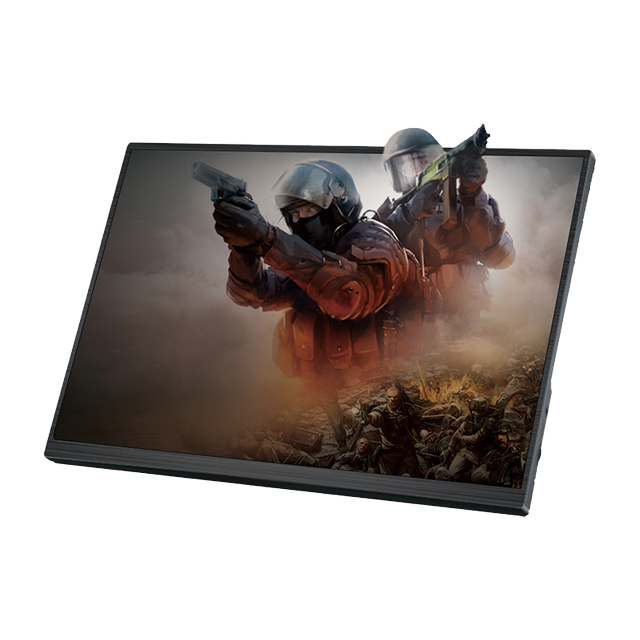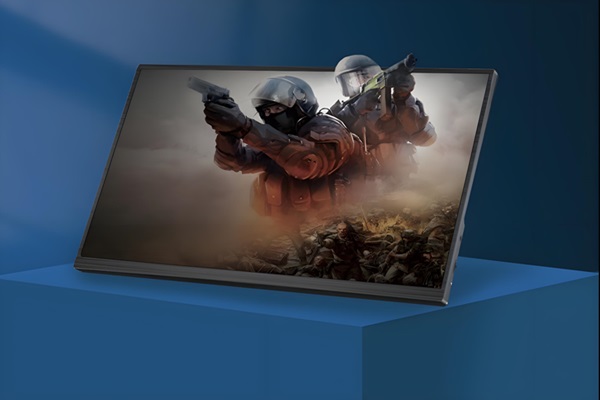
With the invention of display technology, glasses-free 3D left the lab and entered the world, providing a new view. In contrast to special glasses-needed conventional 3D technology, glasses-free 3D offers viewing depth without glasses, is more convenient, and widens the scope of possible applications.
1. Advertising and Public Displays
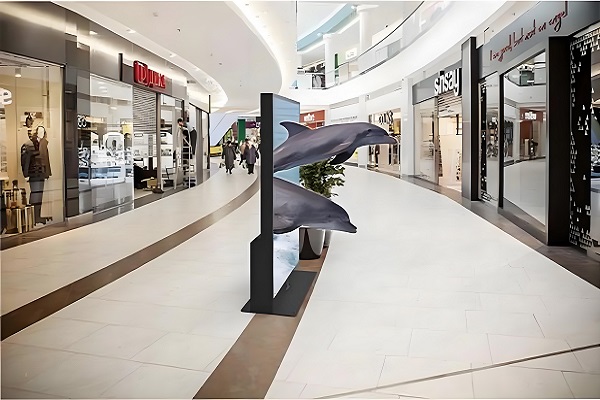
Most widespread application of glasses-free 3D may be in advertising, and in this area, the technology is being used to command attention and create lasting visual impressions. Active, multi-level images that appear to leap out of the screen are not possible on flat screens, yet glasses-free 3D screens can provide the same thing, and ads become more interesting and arresting.
- Shibuya, Tokyo, Japan: Large-scale glasses-free 3D advertising screens are installed in key locations such as train stations and busy intersections. These displays showcase dynamic 3D content that can be seen from multiple angles, allowing pedestrians to perceive depth and motion without wearing glasses. The immersive experience has made these screens a popular platform for global brands looking to engage urban audiences.
- COEX Mall, Seoul, South Korea: The mall uses glasses-free 3D screens for product demonstration and advertisement. Customers can view 3D product pictures, touch and feel virtual features, and engage with content through motion sensors or touch-free interaction, allowing brand interaction and a shop experience.
2. Museums and Exhibitions
Glasses-free 3D is increasingly being deployed in educational and cultural settings to provide highly immersive, interactive content that’s not available on any other screen. It enables people to see things from a staggering number of viewpoints without the need for spectacles, enabling exhibitions and museums to provide more hands-on and instructive displays.
- Louvre Museum, Paris, France: Some exhibitions make use of glasses-free 3D screen technology in presenting digital restorations of antique artworks and artifacts. Visitors may see close-ups of the objects from a variety of different sides and get a glimpse at history’s design and craftsmanship. The method also allows museums to display fragile or costly items virtually without risking possible damage.
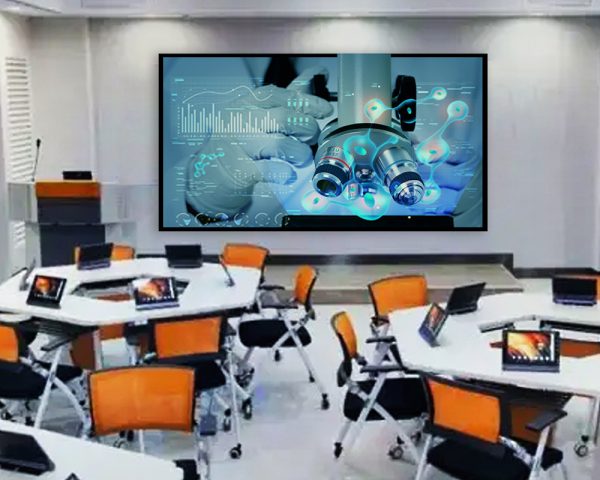
- Guangzhou Science Center, China: 3D glass-free displays are employed in scientific exhibitions for presenting complex information such as molecular structure, planetary movement, and engineering drawings. Presenting the content in three dimensions makes the exhibitions more intuitive, interactive, and comprehensible for everyone, independent of any age group, with enhanced educational content and entertainment.
3. World’s First/Largest Glasses-Free 3D Displays
Some of these pioneering projects have set the possibility of autostereoscopic 3D technology around the world, ranging from pioneer cinemas for early adopters to Guinness World Record-shattering digital displays. The projects uncover how 3D screens can transform public visual communication.
- First Glasses-Free 3D Cinema in the World: Certain cinemas in Beijing, China, are the first in the world to project glasses-free 3D film. Audiences can watch feature films in 3D without wearing special 3D glasses, which is more natural and convenient. It is even possible to experience filmmaking form, e.g., multi-angle or interactive narrative.
- Largest Glasses-Free 3D Screen in the World: The Seoul, South Korea, Gangnam digital billboard is the world’s largest glasses-free 3D screen and is certified by the Guinness World Records. It is several dozen meters wide and shows gigantic, hyper-realistic 3D images from various angles. It has already been a number one tourist landmark and also pulls on-the-ground audience participants, showing the impact of 3D technology on city street art and advertising.
4. Consumer Electronics and Home Devices
As glasses-free 3D matures, it is being ported into consumer electronics so that immersive 3D comes to the living room and personal device. This is due to the need for interactive and graphically demanding content and the inconvenience of 3D glasses.
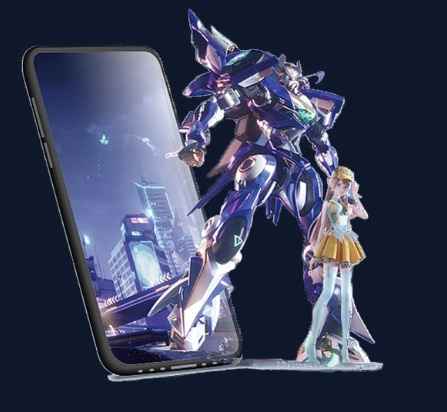
- Smartphones and Tablets: A few glasses-free 3D smartphones and tablets that their manufacturers sell allow the user to see 3D videos, 3D games, or watch 3D photographs without the requirement for any additional device. These devices usually have eye-tracking or lenticular lens technology as an attempt to provide the 3D effect even when looked at from odd angles, which also makes them more handy and easy to carry around.
- Home TVs: Glasses-free 3D TVs have been launched by some television companies, enabling home entertainment with a wow factor. A user can enjoy movies, sports, or video games in real 3D without glasses, transforming conventional living rooms into 3D interactive environments. Home TVs generally have adaptive 3D rendering and several areas of view, offering the effect to more than one user simultaneously.
Conclusion
Glasses-free 3D is expanding from advertising and exhibitions to film, consumer electronics, and home entertainment. Glass-free makes it more natural and immersive to watch in 3D. 3D METAVERSE is spearheading this revolution, helping businesses and content creators to include glasses-free 3D experiences in their works. To learn more, get in touch with us today and enter the future of 3D technology.