3D display technology has developed from the early stage of relying on traditional 3D glasses to a new era of naked-eye 3D technology. In this article, we will compare the characteristics of polarized and shutter 3D glasses in depth and analyze the technical trends and market potential of naked-eye 3D.
Polarized 3D glasses: a low-cost popular choice
Polarized 3D glasses have become the first choice for mass cinemas due to their low cost and lightweight design.
- Technical principle: By installing a polarizing plate on the display screen, the image is separated into two polarization directions, vertical and horizontal. The left and right lenses of the glasses filter these two polarized lights respectively. After the left and right eyes receive different images, the brain synthesizes a three-dimensional picture.
- Advantages:
- Low price, can be used in cinemas on a large scale.
- The glasses are lightweight and comfortable to wear.
- Disadvantages:
- The resolution is significantly reduced, and the image clarity is affected to a certain extent.
- Only suitable for specific display screens and highly dependent on equipment.
Shutter 3D glasses: high-quality immersive experience
Compared with polarized glasses, shutter 3D glasses have won the favor of the high-end market with high definition and more realistic 3D effects.
- Technical principle: The screen refresh rate reaches more than 120Hz, and the left and right eye images are displayed alternately through frame sequences, while the liquid crystal lenses switch on and off synchronously, filtering and transmitting the images.
- Advantages:
- Supports full HD 3D images, and the effect is more realistic.
- Strong color and detail restoration capabilities, suitable for home theater and game applications.
- Disadvantages:
- Expensive, difficult for ordinary consumers to accept.
- Not comfortable to wear, easily disturbed by ambient light.
Naked eye 3D: A future technology that subverts tradition
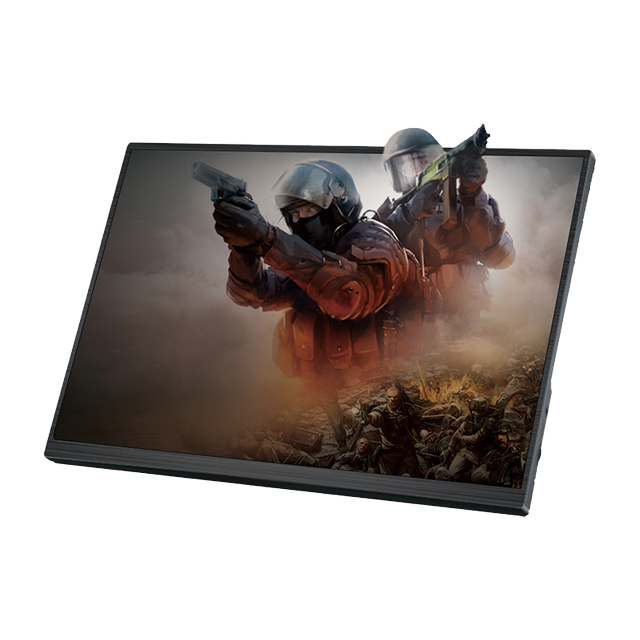
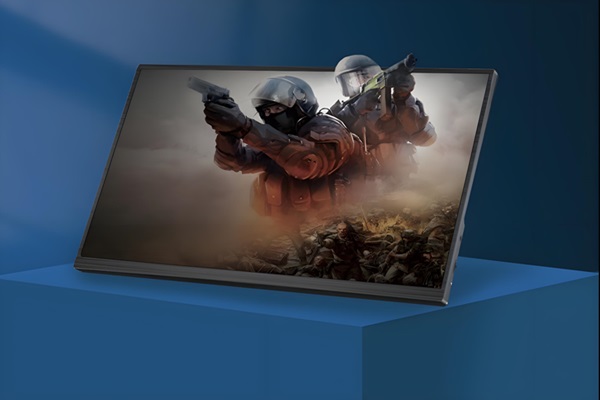
With the rise of naked-eye 3D technology, people have gradually gotten rid of their dependence on 3D glasses. Naked Eye 3D directly presents 3D images to the audience through special display technology without wearing any auxiliary equipment.
- Technology Trends: The core technologies of naked-eye 3D include parallax barriers, lenticular lenses, and eye tracking. Eye tracking technology, in particular, can adjust the perspective in real time according to the user’s eye position, providing a more accurate 3D effect.
- Market Share: According to relevant market research data, the application of naked-eye 3D display screens is growing rapidly, and it is expected that by 2030, its global market size will exceed billions of dollars. From smartphones to advertising displays, naked-eye 3D has shown strong demand in consumer electronics, advertising, and education.
- Challenges and Opportunities: Although naked-eye 3D technology still faces challenges such as high cost and resolution optimization, these problems are being overcome as the technology matures. The market demand for high-quality content and interactive experience has undoubtedly provided a strong impetus for the popularization of naked-eye 3D.
Summary
From polarized to shutter, and then to naked-eye 3D, the evolutionary trajectory of 3D display technology clearly shows the pace of technological development. Polarized glasses occupy an important position in the mass market due to their economy, while shutter glasses are unique in the professional market with their high-definition experience. Glasses-free 3D has become the focus of the industry with its innovation and potential and will gradually dominate the future market. It can be foreseen that glasses-free 3D technology will not only provide us with a more convenient and immersive visual experience but will also open up new business models in many fields.
From glasses to “naked eyes”, the innovation of 3D display technology is quietly changing our lifestyle. Are you ready for the new era of glasses-free 3D?