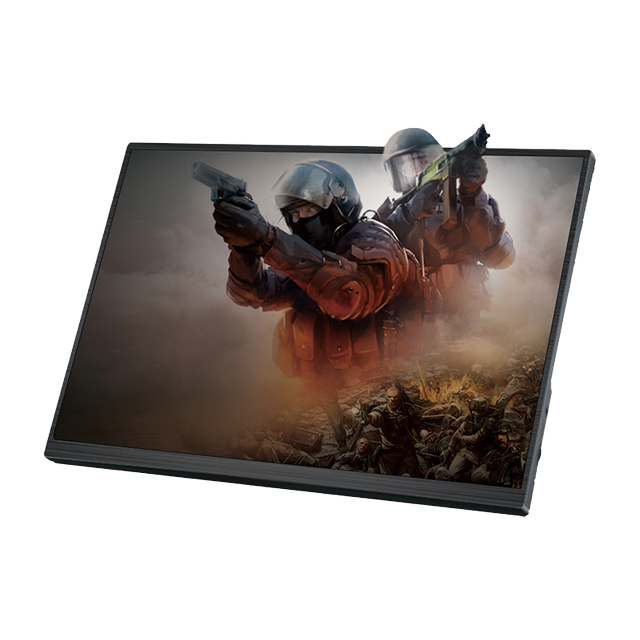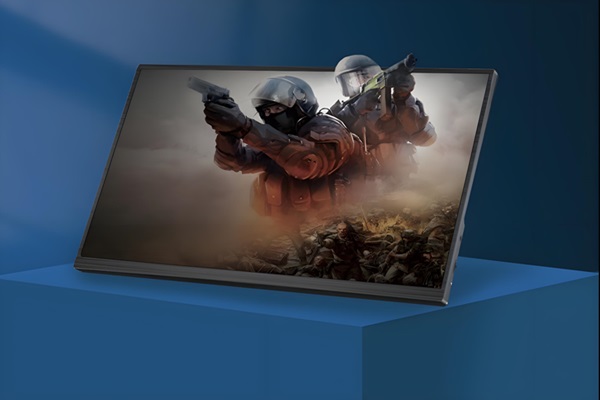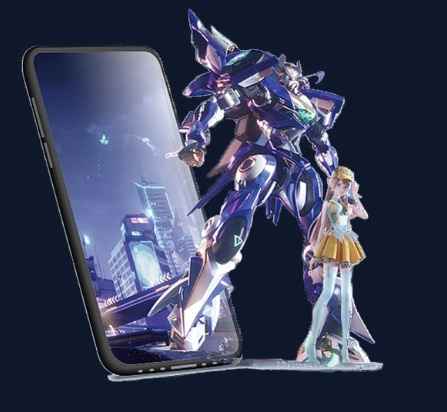
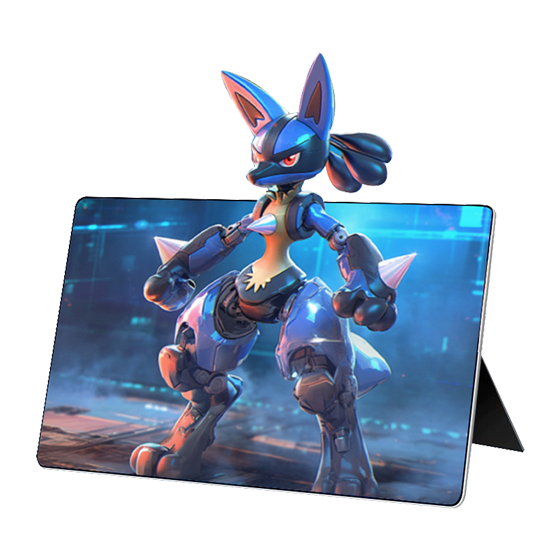
Eye tracking technology has become a crucial tool in the 3D industry. It allows for precise control of 3D displays by tracking the movement of the user’s eyes in real-time, resulting in a higher-quality interactive experience. With this technology, users can enjoy stable and clear stereoscopic effects without wearing glasses. An example of advanced technology that integrates with eye tracking is 3D Lens Design, which further optimizes visual output for a more immersive 3D experience.
1. Why Eye Tracking is Needed
In 3D environments, traditional display methods are often static. However, when users move in virtual reality (VR) or augmented reality (AR), fixed perspectives can lead to the following problems:
- 3D image distortion
- Reduced user immersion
- Misalignment of the visual perspective
The core function of eye tracking technology is to continuously track the position of the user’s eyes, ensuring that the 3D image is always presented from the correct angle, preventing distortion or misalignment, and providing a more natural and realistic experience.
2. How Eye Tracking Works in the 3D Industry
- Capturing Eye Movement with Cameras and Sensors
3D display devices (such as VR headsets and AR glasses) are equipped with infrared cameras or sensors. These sensors shine infrared light on the eyes and capture the reflections from the pupils and cornea, which allows the system to accurately track eye movements. - Calculating Position and Head Movements
The system tracks not only the eye movement but also the user’s head position, including movement in all directions and the distance from the screen. This data is used to calculate the exact 3D position of the user’s eyes. - Real-Time Image Adjustment
Based on the eye movement data, the GPU dynamically adjusts the 3D image, ensuring that the left-eye and right-eye images are displayed at the correct angles. If the user changes their position or perspective, the system updates the image alignment in real-time, ensuring optimal 3D effects regardless of the user’s position.
The refresh rate typically needs to be at least 60Hz to ensure smooth images.
3. Key Features of Eye Tracking Technology
- High Real-Time Requirements: Eye tracking requires minimal delay, ideally less than 10 milliseconds. Any higher delay could lead to “dropping” the 3D effect when the user moves their head quickly.
- Support for Multiple Users: Some systems can track the eye movements of multiple users simultaneously, dynamically adjusting the viewing angles for each person. Although this technology is costly, it enables shared 3D experiences for multiple users.
- Adaptability to Lighting Conditions: Eye tracking must function under various lighting conditions, such as direct sunlight or in complete darkness. This requires the technology to be highly adaptable.
4. Applications of Eye Tracking Technology
Eye tracking technology is revolutionizing the 3D industry, offering unique applications that improve the quality and interactivity of 3D experiences. Some of the primary uses include:
- Autostereoscopic 3D Displays
Eye tracking ensures that the 3D content is always aligned correctly, adjusting in real-time to the user’s eye movements. This results in a clear, distortion-free 3D experience even as the user changes position. - Virtual Reality (VR) and Augmented Reality (AR)
In both VR and AR environments, eye tracking makes interactions more fluid and intuitive by allowing users to control elements just by looking at them. This enhances the sense of immersion, creating a more seamless and natural experience for the user. - Interactive Advertising and Displays
Eye tracking technology enables dynamic content adjustment based on the viewer’s gaze. This is especially useful in commercial settings, where personalized advertisements or information can be shown to individual users, boosting engagement and interaction.
5. Advantages and Disadvantages of Eye Tracking
Advantages
- Maintains 3D Image Stability: By continuously tracking eye movements, the technology ensures that the 3D effects stay aligned, even when users move their heads. This reduces issues like visual distortion and ghosting, providing a smoother and more consistent experience.
- Improved Immersion: Eye tracking enhances the feeling of immersion in virtual environments by enabling natural interactions. Users can simply look at objects to interact with them, creating a more intuitive and lifelike experience.
Disadvantages
- Costly Hardware: Implementing eye tracking requires specialized cameras, sensors, and processing units, which can significantly increase the cost of devices.
- Increased Power Consumption: The technology demands more energy and generates heat due to the need for continuous tracking, which could impact the overall performance of the system.
- Multi-User Challenges: In environments where multiple people are viewing or interacting with 3D content, the quality of the experience may decrease as it becomes difficult to provide each user with a personalized visual experience at the same time.
6. Conclusion
Eye tracking technology is becoming an indispensable tool in the 3D industry, especially for virtual reality (VR) and augmented reality (AR). It significantly enhances user interaction and immersion while maintaining the stability and clarity of 3D visuals through precise gaze-based adjustments. As hardware and algorithms continue to advance, eye tracking is expected to play a central role in driving innovation across 3D experiences.
At 3D Metaverse, we specialize in integrating advanced eye tracking solutions that elevate 3D applications to new levels of realism and interactivity. Contact us to discover how our technology can help you deliver immersive, next-generation user experiences.