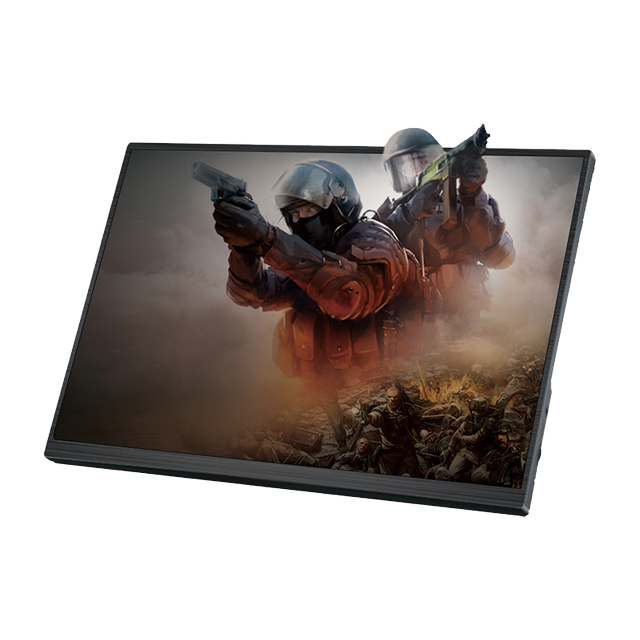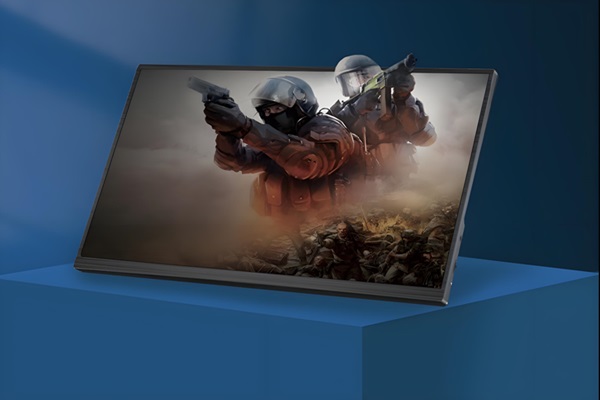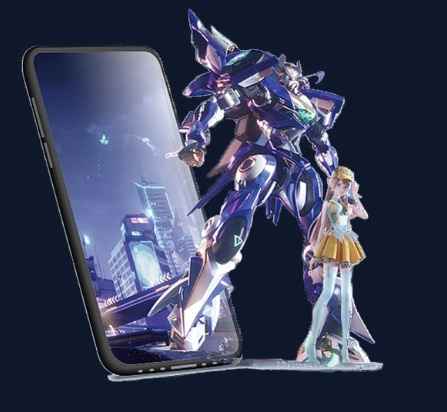
In an age where traditional advertising methods struggle to engage the modern consumer, our 3D display monitors elevate this experience even further—maximizing the effect of 3D advertising billboards by combining dynamic adaptation with 3D lenticular lens technology. E3D Metaverse: Let’s discuss how 3D billboards attract users in business.
I. Immersive Visual Appeal: Depth and Motion
| Feature | Lens Array Technology | Standard LED Screen | LED 3D Screen |
| Display Principle | Uses lens arrays to refract light, creating a naked-eye 3D effect | Based on LED backlighting for 2D display | Uses special 3D display technologies (polarization or shutter glasses) for 3D effects |
| 3D Display | Supports naked-eye 3D advertising billboards, providing depth perception | Does not support 3D display, only flat images | Supports 3D display, requires wearing 3D glasses |
| Viewing Angle | Provides a wide viewing angle with different perspectives from various angles | Narrower viewing angle, image quality degrades when viewed from the side | Requires specific viewing angles (e.g., with polarized glasses, angle is limited) |
| Display Quality | Strong spatial and depth perception, ideal for 3D representation | High brightness, vibrant colors, and good contrast, but 2D only | High-quality 3D effects, but requires 3D glasses for viewing |
| Technical Complexity | Requires precise optical design, higher manufacturing cost | Mature technology, relatively low cost | Requires special 3D technology (e.g., polarization or shutter glasses), relatively high cost |
| Viewing Experience | Provides an immersive naked-eye 3D experience, no extra accessories are needed | Traditional 2D display, flat images | Requires 3D glasses, viewing experience depends on glasses and display technology |
| Display Precision | High precision for 3D display, suitable for complex spatial effects | Clear 2D image, no depth perception | 3D depth perception with high precision |
- Naked-eye 3D: Lens Array Technology offers naked-eye 3D without glasses, making it more convenient and user-friendly compared to LED 3D screens, which require 3D glasses.
- Glasses Required: LED 3D screens need 3D glasses for proper viewing, while Standard LED screens provide 2D flat images, and Lens Array technology gives 3D without glasses.
- Viewing Experience: Lens Array Technology provides a wider range of viewing angles and more immersive experiences, while LED 3D screens offer 3D depth but restrict the experience to those wearing 3D glasses. Standard LED screens provide typical 2D viewing.
If you’re looking for a naked-eye 3D experience, Lens Array Technology is the best option. If you enjoy 3D films and games and don’t mind wearing 3D glasses, LED 3D screens are suitable. Standard LED screens remain the most common and affordable solution for regular 2D displays.
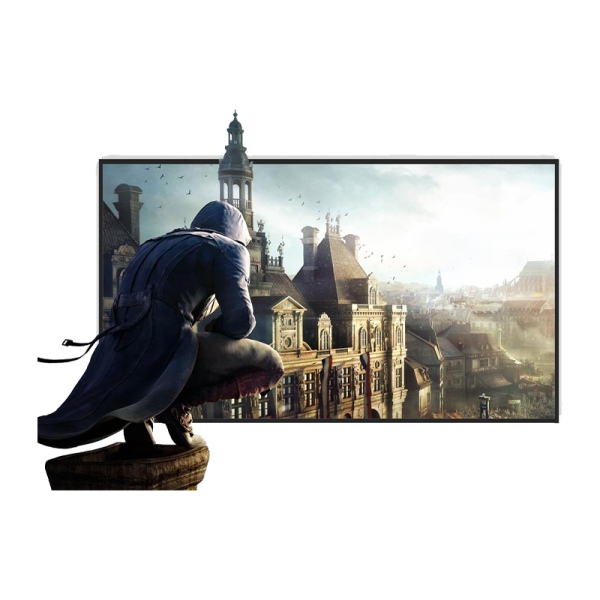
II. 3d advertising billboard: Size, Placement, and Viewing Angle
1. Larger Displays with High Resolution: 3D billboards are typically large and high-definition, ensuring a crisp and impactful viewing experience. With 3840×2160 resolution and 4K displays, the level of detail in the 3D content can be extraordinary, especially when used for product promotions or immersive brand storytelling.
2. Strategic Placement: When placed in high-traffic areas such as shopping malls, airports, or busy city streets, 3D advertising billboards are guaranteed to capture the attention of passersby. Research shows that 3D displays in high-traffic locations generate up to 40% more engagement than traditional 2D billboards.
3. Wide Viewing Angles: With our 3D monitors, which allow for horizontal 120° and vertical 60° viewing angles, the billboards’ 3D effects can be experienced from various perspectives. Our technology ensures low-latency and distortion-free 3D visuals, even at extreme viewing angles, making the content visible and engaging for all.
This makes the experience more accessible and convenient for viewers, leading to higher engagement rates. According to an NPD Group study, 60% of consumers prefer glasses-free 3D experiences, which is why this technology is becoming the new standard for outdoor advertising.
III. Customization and high adaptability
Our displays can accept any 2D+z or multi-tile 3D content. They are plug-and-play, requiring no additional installation or integration. We have extensive experience designing and customizing 27-98-inch 3D products or 3D video walls.
IV. Conclusion
3D advertising billboards are revolutionizing how brands engage with consumers. With these cutting-edge features, 3D billboards provide an innovative and effective way to engage potential customers and leave a lasting impression. Whether for increasing brand visibility or enhancing customer engagement, 3D billboards are set to play a central role in the future of advertising.