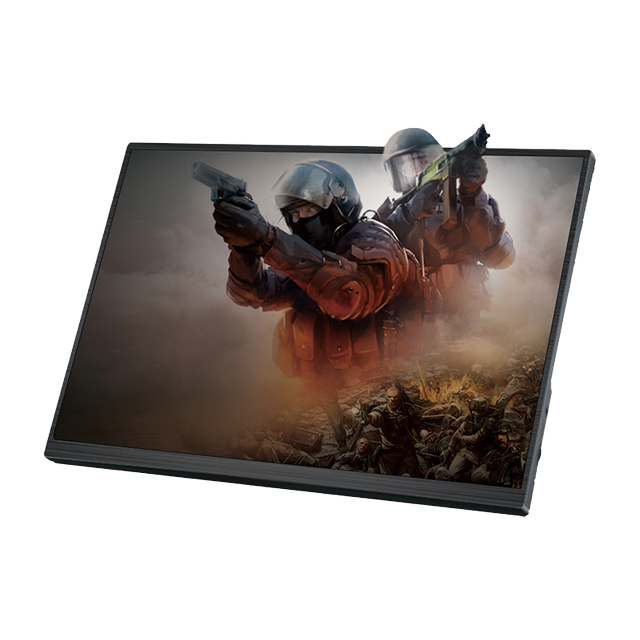
The rise of 3D billboards is reshaping urban landscapes, blending digital artistry with cutting-edge engineering. These structures employ multi-layered LED arrays, depth-sensing cameras, and AI-driven content algorithms to project hyper-realistic visuals that adapt in real time. By 2026, the global 3D billboard market is projected to hit $3.8 billion, according to IDC, as cities increasingly embrace smart infrastructure.
Technical Innovations Behind 3D Billboards
Modern 3D billboards leverage 8K resolution panels with 20,000-nit brightness, ensuring visibility even under direct sunlight. For instance, Seoul’s COEX Square installation uses 12 synchronized LED layers to create parallax effects, consuming 8.5 kW/h—a 40% energy reduction compared to 2020 models. Key innovations include:
- Eye-tracking sensors: Adjust content based on viewer distance (e.g., shrinking text for distant audiences).
- Dynamic shading: Mimics natural lighting via 16-bit color depth processing.
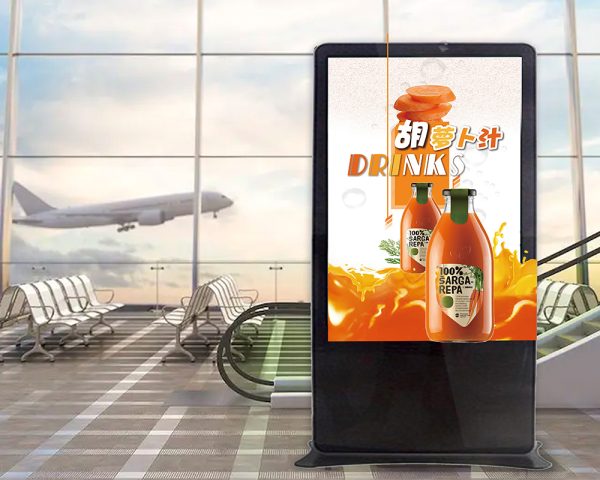
Beyond Advertising: Public Engagement and Safety
The applications of 3D billboards extend beyond brand promotion:
- Emergency Alerts: Tokyo’s Disaster Prevention Center deploys 3D screens to display evacuation routes in 3D holograms, reducing response times by 22% (NHK, 2025).
- Cultural Showcases: Paris’ Louvre Museum uses 3D-mapped billboards to exhibit artifacts at night, attracting 35% more visitors post-sunset.
- Interactive Wayfinding: London’s Canary Wharf district integrates AR-enabled billboards, guiding pedestrians via QR code-triggered 3D maps.
Sustainability and Ethical Considerations
While visually striking, 3D billboards face criticism. Their average lifespan is just 5–7 years due to rapid tech obsolescence, generating 2.3 tons of e-waste per unit (UNEP, 2024). Cities like Amsterdam now mandate recycled materials (75% minimum) and solar-powered systems for new installations. Additionally, studies show prolonged exposure to dynamic 3D content may cause eye strain in 12% of viewers, prompting regulations on brightness thresholds.
Conclusion
The 3D billboard revolution is redefining urban spaces as dynamic, data-driven canvases. As cities prioritize sustainability and tech firms refine energy-efficient designs, these structures will evolve from mere ads to smart infrastructure pillars. With projected annual growth of 18% through 2030, the future of public engagement is undeniably three-dimensional.